

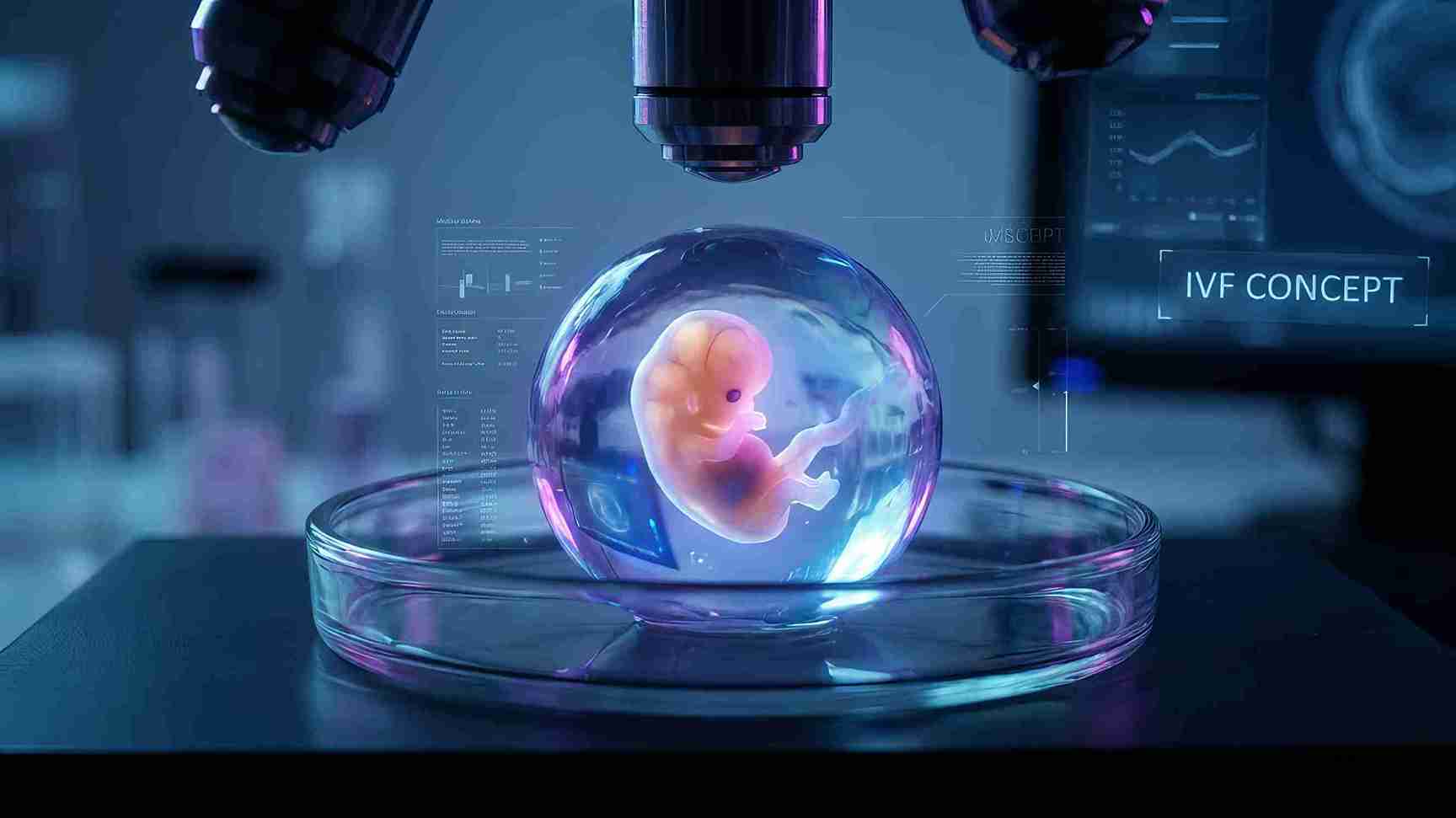


During the IVF procedure, mature eggs are collected and fertilised in a semen solution in specialised laboratories. Then the fertilised eggs are transferred to the uterus, and the pregnancy is achieved successfully with no side effects. One complete IVF cycle requires at least 3 to 4 weeks. Sometimes these steps are divided into further procedures that may take more time to complete the cycle.
IVF is not a single treatment; it’s a series of procedures. This may take 6 to 8 weeks from the consultation to transfer under the supervision of experienced specialists from the best IVF centre in Delhi. But the time may depend on how your body reacts at each stage of the procedure. The steps involved in the IVF procedure are explained below in brief.
Some people don’t visit the doctor because they think that the process takes time. The specialists at fertility clinics will help to deal with the concerns and complications related to the IVF treatment. The steps involved in the procedure are:
Step1: Consultation With A Doctor
The consultation may include three stages depending on your specific needs:
- During the initial meeting, the doctor evaluates the past medical history related to fertility issues of you and your partner. It is better to be honest with the doctor during the consultation. On the basis of this evaluation, the doctor will suggest IVF treatment.
- The diagnosis is prepared and reviewed. They will also evaluate and ask if you have taken any medicines by yourself.
- At the initial consultation, the doctor will discuss the overall cost involved in this procedure.
Step2: Preparation For The Procedure
During this stage, the doctor suggests that you undergo various pre-blood tests, including:
- Blood tests
- Male fertility tests
- Semen analysis
- Infectious disease screening
- Ultrasound
- Uterine evaluation
These tests give complete details about your overall condition and help to identify the main cause of infertility.
Step3: Medications And Monitoring
You will begin with the process called controlled ovarian hyperstimulation (COH). This process starts with an ultrasound to evaluate the ovary and uterus. Once the doctor finds that everything seems good, the process starts. The process of COH is further divided into two parts:
- Take Fertility Medications
You have to take the medicines for around two weeks. These medicines are directly injected or taken orally, which stimulates the follicles of the ovary. This matures more eggs than in a normal cycle. The main purpose of the process is to mature four healthy eggs.
- Monitoring
Once the ovary gets stimulated, the doctor asks you to visit for egg monitoring and follicular development. This is the most time-consuming part of the IVF process and requires 5 to 7 visits to the doctor’s clinic.
Step 4: Triggering, Retrieval And Fertilisation
The final triggering is done for egg maturation, and egg retrieval is scheduled. The process contains the 4 major parts:
- Egg Retrieval
Egg retrieval is done under sedation. There are no risks or side effects, so you might need to take the day off from work.
. This is because the procedure may exhaust you.
- Combining Egg And Sperm In Special Laboratories
Once the eggs are extracted, fertilisation occurs, and embryos are created. The doctor fertilises the egg in the lab. During this procedure, various methods are used to increase the chances of successful pregnancy.
Intracytoplasmic Sperm Injection:
This is a great option for male fertility. During this process, sperm is injected directly into the egg.
Assisted Hatching:
In this process, a tiny hole is made in the outer membrane of the outer membrane of the embryo to increase the implantation rate after transfer.
Step5: Evaluation Of Embryo
Daily monitoring is done from the day after fertilisation to decide which embryo is healthy to transfer.
Step 6: Embryo Transfer
After three days of fertilisation, the embryo is ready to be transferred. Some patients want to wait until they reach the blastocyst stage. The embryo is implanted via a flexible and thin tube passed gently through the cervix opening, leading to the interior of the uterus. You don’t have to undergo sedation, as it is less painful. But you may experience mild cramps.
Results After The IVF Procedure
During the process of IVF, you may wait for 7 to 9 days to confirm the pregnancy. Pregnancy tests are scheduled to ensure that you are successfully pregnant. During the test, the doctor measures the level of hormone released from the embryo cells. After implantation, the production of hormones increases and becomes noticeable.
The first test is done in the clinic under the supervision of specialists. If the test is positive, then the other test is scheduled one week after the first test. If it is positive, then an ultrasound is scheduled after 2 to 3 weeks.
The bottom line!
IVF is an effective treatment used to manage infertility issues and results in a successful pregnancy. This is done when the eggs and sperm are combined in special labs for fertilisation. It provides a transformative path for those who are facing infertility issues and don’t achieve the results of a successful pregnancy. This treatment involves multiple steps that require proper evaluation, progression, and stimulation under the supervision of specialists at the IVF Centre in Shalimar Bagh. The successful transfer of the embryo depends on resilience and management.