


Introduction
Technology has become one of the most influential forces shaping modern society. From artificial intelligence and cloud computing to advanced cybersecurity and intelligent automation, digital innovations are transforming how people communicate, work, learn, and manage everyday responsibilities. Businesses are adopting smarter systems to improve productivity, while individuals are exploring new tools that make daily activities more convenient. Understanding these developments is increasingly important for anyone who wants to remain informed about the rapidly changing digital environment. The concept of techslassh.com – future of technology provides a useful starting point for exploring emerging technological trends, their practical applications, and their potential influence on future generations.
The technology landscape in 2026 is characterized by growing interest in artificial intelligence, connected devices, digital infrastructure, and data-driven decision-making. Organizations across healthcare, education, finance, manufacturing, and retail are investigating ways to integrate advanced technologies into existing operations. At the same time, concerns surrounding online privacy, cybersecurity, digital accessibility, and responsible innovation continue to influence technological development. These changes demonstrate that the future of technology is not simply about creating powerful machines or sophisticated software. It is also about developing solutions that address real-world challenges and improve human experiences.
Understanding Techslassh.com – Future of Technology
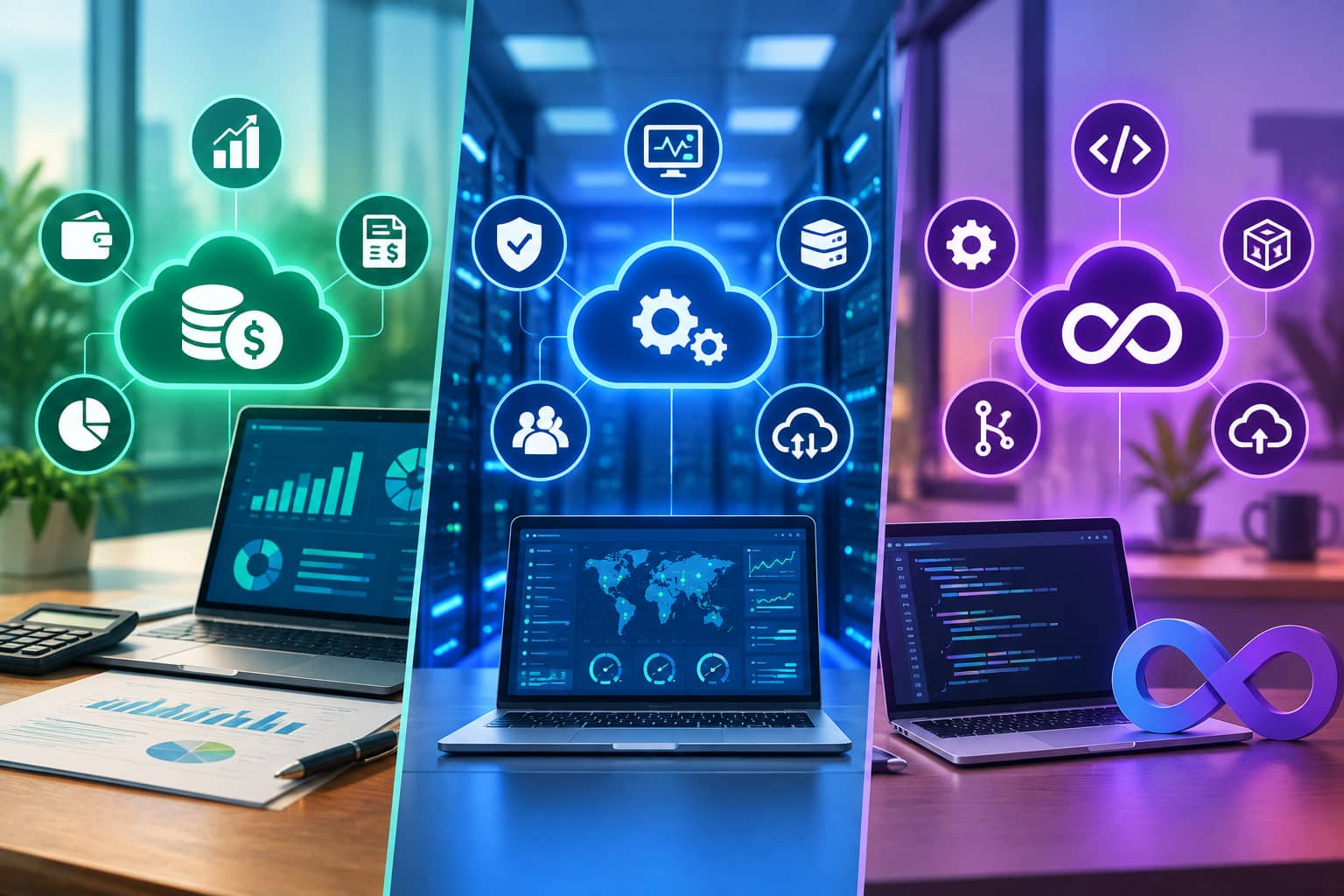
The phrase techslassh.com – future of technology can be understood as a technology-focused topic that brings attention to digital innovation, emerging tools, and the evolution of modern computing. It offers a framework for discussing developments that influence both professional environments and personal lifestyles. These subjects include artificial intelligence, machine learning, automation, cybersecurity, smart devices, and digital transformation. Rather than treating these technologies as isolated developments, a comprehensive understanding considers how they interact to create more connected and efficient systems.
Technology is evolving through a combination of scientific research, business investment, consumer demand, and improvements in digital infrastructure. For example, artificial intelligence applications often depend on cloud computing resources, while connected devices require secure communication networks and effective data management. Similarly, automation systems become more useful when they can process accurate information and respond intelligently to changing circumstances. Understanding these connections makes it easier to evaluate technological developments realistically instead of relying on exaggerated predictions about the future.
The Evolution of Technology in the Modern Digital Era
The journey from traditional computing systems to today’s intelligent digital platforms reflects decades of continuous technological progress. Earlier computing environments relied heavily on physical infrastructure, limited processing capabilities, and manually managed software. The expansion of internet connectivity introduced new possibilities for communication, online commerce, and information sharing. Smartphones subsequently made digital services accessible throughout the day, transforming how people interact with businesses, educational institutions, and entertainment platforms. Cloud computing further changed the landscape by allowing organizations to access computing resources without maintaining every system locally.
Modern technological progress increasingly emphasizes intelligence, adaptability, and integration. Software applications are becoming capable of analyzing information, recognizing patterns, and supporting complex decisions. Businesses can monitor operations through connected sensors, while individuals can manage finances, communicate internationally, and access educational resources through digital platforms. These improvements have created opportunities for innovation across industries. However, technological advancement also introduces responsibilities involving privacy protection, digital literacy, and ethical decision-making. Sustainable progress depends on balancing technical capabilities with the needs and interests of the people who use them.
Artificial Intelligence and Its Growing Influence
Artificial intelligence represents one of the most significant areas of technological development. AI systems can analyze large datasets, identify relationships, generate content, and assist with tasks that previously required substantial manual effort. In business environments, artificial intelligence supports customer service, demand forecasting, document processing, and operational planning. Healthcare professionals are exploring AI-assisted systems for medical image analysis and administrative efficiency, while educators are experimenting with personalized learning applications. These examples demonstrate how intelligent software can support human capabilities across different fields.
Within discussions surrounding techslassh.com – future of technology, artificial intelligence deserves particular attention because of its potential to influence numerous other technologies. Generative AI tools are increasingly being incorporated into workplace software, development environments, and research processes. Nevertheless, AI-generated information can contain errors, reflect biases, or lack important context. Organizations must therefore establish appropriate verification procedures and maintain human oversight, particularly when automated outputs affect financial, medical, legal, or other important decisions. The long-term value of AI will depend not only on technical performance but also on reliability, transparency, and responsible implementation.
Machine Learning and Predictive Technologies
Machine learning enables computer systems to identify patterns in data and improve performance on defined tasks through training. Unlike traditional software that relies entirely on explicitly programmed rules, machine learning models can recognize complex relationships within examples. Retailers use predictive systems to estimate demand, financial institutions apply analytical models to detect unusual transactions, and logistics providers examine historical information to improve delivery planning. Predictive maintenance is another practical application, allowing industrial organizations to identify warning signs of equipment problems before failures disrupt operations.
The effectiveness of machine learning depends heavily on data quality, model evaluation, and continuous monitoring. Poor-quality training information can produce unreliable predictions, while changing real-world conditions may reduce model accuracy over time. For this reason, organizations adopting predictive technologies need clear objectives and measurable performance standards. Machine learning is most beneficial when it solves specific problems rather than being introduced simply because it is technologically fashionable.
Cloud Computing and the Transformation of Digital Infrastructure
Cloud computing has changed how organizations store information, operate applications, and manage computing resources. Instead of purchasing and maintaining extensive physical infrastructure for every requirement, businesses can use remote computing services that offer flexible capacity. This approach can support collaboration, simplify software deployment, and help organizations respond to changing workloads. Small businesses can access capabilities that previously required considerable infrastructure investment, while larger enterprises can distribute applications across multiple regions to improve availability and performance.
The future of cloud computing increasingly involves hybrid environments, automated infrastructure management, and specialized computing services for artificial intelligence. Many organizations combine private infrastructure with public cloud resources to balance flexibility, performance, regulatory obligations, and security requirements. However, cloud adoption does not automatically guarantee lower costs or stronger security. Effective implementation requires careful planning, access management, backup procedures, and ongoing financial monitoring. As digital operations become more complex, cloud infrastructure will remain an important foundation for innovation across multiple industries.
Cybersecurity and Digital Privacy in a Connected World
As technology becomes more integrated into everyday activities, cybersecurity is becoming increasingly important. Businesses and individuals regularly exchange sensitive information through websites, mobile applications, financial platforms, and connected devices. Cybercriminals exploit vulnerabilities through phishing attacks, malicious software, stolen credentials, and social engineering. The growing use of automated tools can also make certain attacks more convincing and scalable. Protecting digital information therefore requires a combination of technical safeguards, user awareness, and effective organizational policies.
Cybersecurity is an essential part of the wider discussion around techslassh.com – future of technology because digital innovation depends on trust. Organizations need to secure customer information, protect operational systems, and prepare for potential incidents. Individuals can reduce common risks by following practical security habits:
-
Use strong, unique passwords and enable multifactor authentication.
-
Keep operating systems, applications, and connected devices updated.
-
Verify unexpected messages before opening attachments or sharing information.
-
Maintain secure backups of important files and personal data.
-
Review application permissions and limit unnecessary information sharing.
Modern cybersecurity strategies increasingly emphasize continuous monitoring, identity verification, and rapid incident response. Zero-trust security approaches, for example, require access requests to be evaluated rather than automatically trusting users or devices because they are connected to an internal network. Privacy regulations and consumer expectations are also encouraging organizations to collect information more carefully. These developments suggest that security and privacy will remain central considerations in future digital systems.
Emerging Technologies Shaping the Future
Several emerging technologies are influencing how industries approach innovation. Although they differ in maturity and practical application, each has the potential to contribute to more efficient processes, improved services, or new business opportunities. Understanding their strengths and limitations helps distinguish established applications from developments that remain experimental.
| Technology | Major Applications | Potential Future Impact |
|---|---|---|
| Artificial Intelligence | Content analysis, decision support, automation | More intelligent digital services |
| Internet of Things | Smart homes, industrial monitoring, connected sensors | Better real-time monitoring and control |
| Blockchain | Digital records, transaction verification | Improved traceability in selected applications |
| Augmented Reality | Training, maintenance, interactive experiences | More immersive digital interaction |
| Quantum Computing | Specialized scientific and computational research | Potential advances in selected complex calculations |
| Robotics | Manufacturing, logistics, healthcare assistance | Greater precision and operational efficiency |
These technologies are developing at different speeds, and their adoption depends on affordability, technical readiness, regulation, and demonstrated value. For example, industrial robotics is already widely used in manufacturing, whereas many practical applications of quantum computing remain subjects of ongoing research. Similarly, augmented reality has established uses in training and visualization, but widespread adoption may depend on improved hardware comfort, cost, and software availability. Evaluating each technology according to real-world evidence provides a more useful perspective than assuming every emerging innovation will immediately transform society.
The Internet of Things and Smart Connected Environments
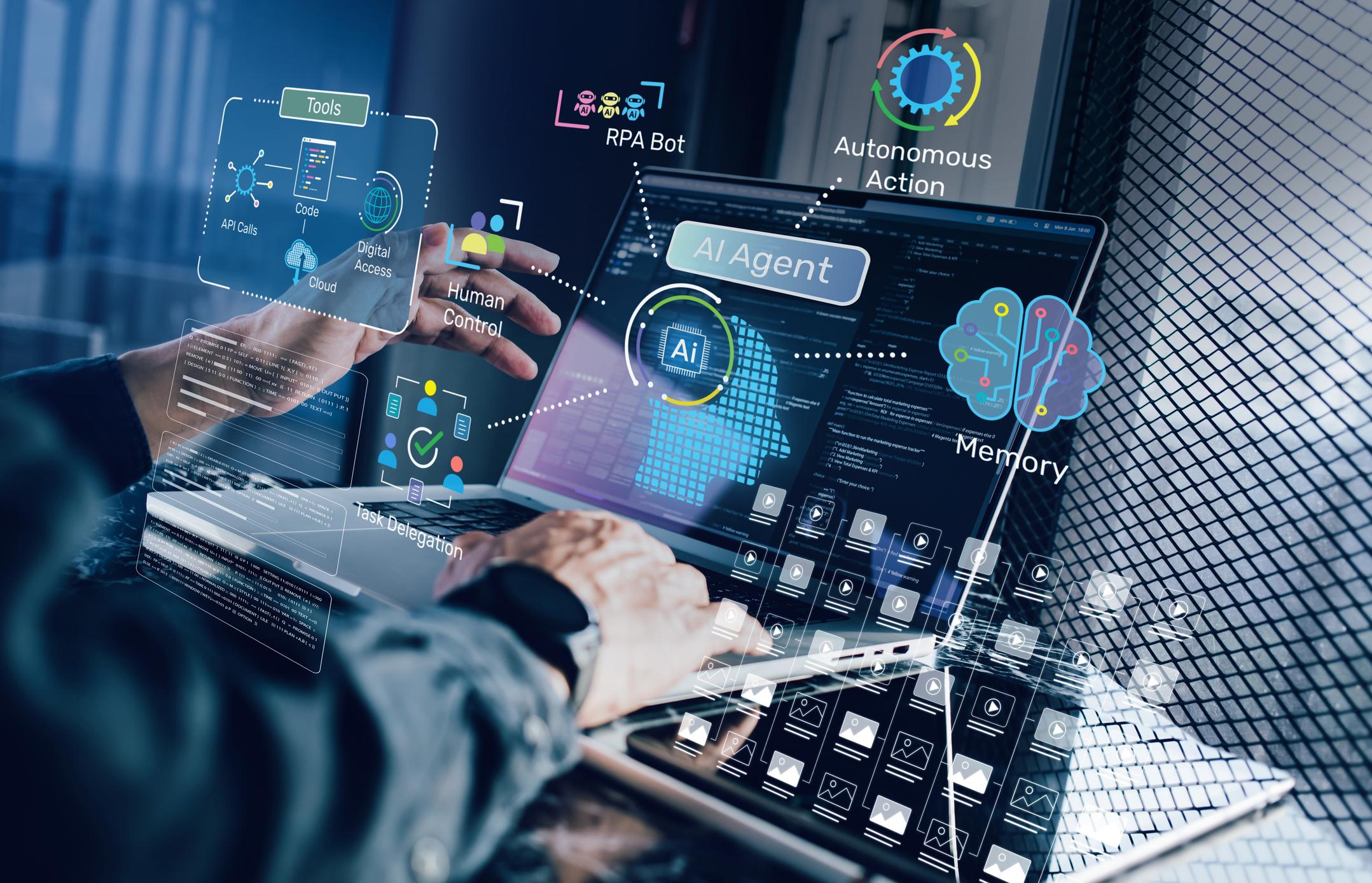
The Internet of Things, commonly called IoT, refers to physical devices equipped with sensors, software, and communication capabilities that allow them to exchange information. Smart thermostats, wearable fitness devices, industrial monitoring systems, and connected agricultural equipment are familiar examples. These technologies collect data about surrounding conditions or device performance and use that information to support automated responses or informed decisions. In homes, connected systems can help manage lighting and temperature, while factories use sensor networks to monitor equipment performance and production conditions.
The development of IoT also supports the growth of smart infrastructure and connected cities. Traffic monitoring systems can provide information about congestion, environmental sensors can measure air quality, and smart utility meters can improve visibility into resource consumption. However, connecting more devices creates additional cybersecurity and privacy challenges. Manufacturers and operators must consider secure software updates, device authentication, and long-term maintenance. The greatest benefits arise when connected systems solve clear operational problems rather than simply adding internet connectivity to existing products.
Digital Transformation Across Major Industries
Digital transformation involves using technology to improve business processes, customer experiences, and organizational capabilities. It extends beyond purchasing software or replacing traditional paperwork with electronic documents. Successful transformation often requires changes in employee training, workflow design, information management, and leadership strategies. Organizations that approach digital transformation systematically can identify inefficient processes and introduce tools that produce measurable improvements. Businesses that adopt technology without understanding operational requirements may instead encounter unnecessary complexity and additional expenses.
Healthcare, education, finance, and retail provide clear examples of this transformation. Hospitals increasingly use electronic records and digital scheduling systems to coordinate services. Educational institutions offer online learning environments that support flexible access to course materials. Financial organizations provide digital payment systems and mobile account management, while retailers use inventory analytics and personalized shopping experiences. These changes illustrate how technological development affects industries differently while sharing common objectives such as accessibility, efficiency, and improved decision-making.
Technology and the Future of Work
The relationship between technology and employment continues to evolve as automation and intelligent software become more capable. Repetitive administrative activities, routine data processing, and certain standardized production tasks can increasingly be supported by automated systems. At the same time, organizations need professionals who can develop, manage, secure, and evaluate these technologies. Skills involving data analysis, cybersecurity, software development, critical thinking, and communication are becoming valuable across a wide range of occupations.
Rather than assuming that technology will eliminate every traditional job, it is more useful to examine how specific tasks within occupations may change. An accountant may use automated software to organize transactions while concentrating more on financial interpretation. A marketing professional may use AI-assisted tools for research while retaining responsibility for strategy, brand understanding, and quality control. Continuous learning will play an important role in helping workers adapt to these changes.
Sustainable Technology and Environmental Responsibility
Environmental sustainability is becoming an important consideration in technological development. Digital systems can support energy monitoring, resource optimization, and improved transportation planning. Smart electricity networks can help utilities manage changing demand, while connected building systems can adjust heating, cooling, and lighting according to occupancy. Businesses can also use analytical software to identify waste and improve resource efficiency. These applications demonstrate how technology can contribute to environmental goals when it is implemented thoughtfully.
However, technological infrastructure also consumes electricity, water, and physical materials. Data centers require significant resources, electronic devices create manufacturing and disposal challenges, and advanced AI workloads can increase computing demand. Sustainable innovation therefore requires evaluating the full lifecycle of technological products and services. Repairability, responsible material sourcing, efficient software, and renewable energy integration are all relevant considerations. Future technological progress will increasingly be judged by its environmental impact alongside its economic and functional benefits.
Opportunities and Challenges of Future Technology
Exploring techslassh.com – future of technology also involves recognizing that innovation creates both opportunities and challenges. New digital systems can improve productivity, expand access to information, support scientific research, and create entirely new services. Businesses can reach customers beyond traditional geographic boundaries, while individuals can acquire skills through online educational resources. Technological tools can also support people with disabilities by improving communication, navigation, and access to information.
Despite these benefits, several challenges require attention:
-
Digital inequality can limit access to modern tools and educational opportunities.
-
Privacy risks may increase when organizations collect excessive personal information.
-
Automation can disrupt employment and create additional training requirements.
-
Dependence on connected infrastructure can expose services to outages and cyberattacks.
Addressing these challenges requires cooperation between technology developers, businesses, policymakers, educational institutions, and users. Responsible innovation involves evaluating potential consequences before deploying new systems and establishing safeguards appropriate to their level of risk. Technology becomes more valuable when its benefits are accessible, understandable, and supported by appropriate protections.
How Individuals and Businesses Can Prepare for Technological Change
Preparing for future technological developments begins with building a practical understanding of digital tools. Individuals can improve their readiness by developing foundational knowledge of artificial intelligence, data protection, online communication, and digital productivity. Learning does not necessarily require advanced programming expertise. Understanding how to evaluate information, use technology responsibly, and adapt to unfamiliar systems can be equally important. Professionals should also consider how emerging tools relate to their specific industries rather than attempting to master every new trend.
For businesses, preparation involves identifying genuine operational needs and evaluating technologies according to measurable outcomes. A small retailer might benefit more from reliable inventory software than from an expensive experimental AI system. A manufacturing company may prioritize equipment monitoring, while a service organization might focus on secure customer management tools. Pilot projects, employee training, and clear performance indicators can help organizations determine whether an investment provides lasting value. The central objective should be sustainable improvement rather than adopting innovation for publicity.
The Long-Term Outlook for Digital Innovation
The long-term outlook associated with techslassh.com – future of technology includes the continued integration of intelligent software, connected infrastructure, advanced computing, and digital services. Artificial intelligence may become more deeply embedded in everyday applications, while robotics could expand into additional commercial and service environments. Improvements in connectivity and computing efficiency may enable faster information processing and more responsive digital experiences. Research into advanced materials, quantum technologies, and new computing architectures could also create opportunities, although the timing and scale of their practical effects remain uncertain.
The direction of technological progress will be influenced by more than engineering capabilities. Economic conditions, public trust, environmental constraints, government policies, and educational readiness will shape which innovations become widely adopted. Technologies that demonstrate reliability, affordability, accessibility, and clear practical value are more likely to achieve lasting success. As a result, the future digital landscape will probably develop through a combination of gradual improvements and occasional major breakthroughs rather than one single technological revolution.
Frequently Asked Questions
1. What is Techslassh.com – Future of Technology about?
The phrase refers to a technology-oriented topic centered on digital developments, emerging innovations, and their potential effects on society. It can be explored through subjects such as artificial intelligence, cybersecurity, cloud computing, automation, and connected devices. Readers interested in understanding technological change can use these subjects to develop broader awareness of modern digital trends.
2. Why is understanding future technology important?
Understanding future technology helps individuals and organizations prepare for changes in communication, employment, business operations, and everyday services. It supports better decision-making when selecting digital tools, developing professional skills, or evaluating technological investments. Awareness of potential risks is equally important because not every innovation is suitable for every situation.
3. Which technologies are expected to influence the coming years?
Artificial intelligence, advanced automation, cloud infrastructure, cybersecurity, robotics, and connected devices are likely to remain important areas of development. Their influence will vary depending on industry requirements, research progress, implementation costs, and public acceptance. Emerging fields such as quantum computing may also contribute to specialized applications over longer time horizons.
4. How will artificial intelligence affect businesses?
Artificial intelligence can help businesses analyze information, automate selected tasks, improve customer support, and support operational decisions. Its benefits depend on reliable data, suitable implementation, and effective oversight. Businesses must also address issues involving privacy, accuracy, employee training, and responsible use.
5. Can small businesses benefit from emerging technologies?
Small businesses can benefit from accessible cloud applications, digital payment systems, inventory management tools, cybersecurity solutions, and AI-assisted productivity software. The most effective approach is to select technologies that address specific business challenges and provide measurable improvements without creating unnecessary costs or complexity.
6. What skills will be valuable in a technology-driven future?
Digital literacy, analytical thinking, communication, adaptability, cybersecurity awareness, and problem-solving are likely to remain valuable. Technical expertise in software development, data analysis, and AI-related fields can create additional opportunities, but the ability to evaluate information and work effectively with digital systems will also be important across many professions.
Conclusion
The future of technology is being shaped by continuous innovation across artificial intelligence, cloud computing, cybersecurity, connected devices, robotics, and digital infrastructure. These developments are creating opportunities for improved productivity, accessible services, more informed decisions, and new approaches to longstanding challenges. However, their success depends on responsible implementation, reliable security, appropriate regulation, and the ability of individuals and organizations to adapt.
Understanding techslassh.com – future of technology from a broader perspective helps connect individual innovations with the larger digital transformation taking place across society. Technology should not be evaluated solely by its complexity or novelty, but by its ability to deliver meaningful, sustainable improvements. As digital systems continue to evolve, informed decision-making, continuous learning, and responsible innovation will remain essential for building a more connected, efficient, and inclusive future.