



Key Takeaways
- Autonomous rides are most useful when travelers confirm the active service area before leaving their hotel.
- Many trips begin and end at designated pickup zones, not at any curb a rider chooses.
- Major events, traffic, and resort layouts can affect wait times and walking distances.
- Visitors should keep taxis, traditional rideshare, transit, and walking routes available as backup options.
- Clear app instructions, a charged phone, and basic passenger awareness make the experience smoother.
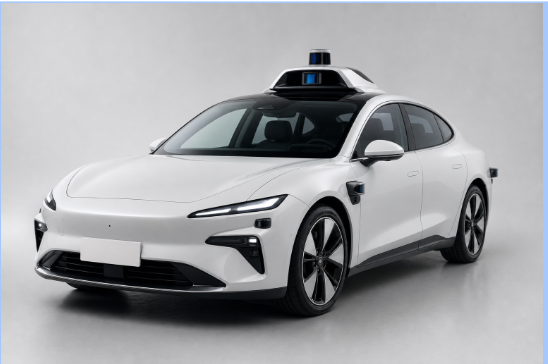
Las Vegas has always been a city built around movement. Visitors travel between hotels, casinos, restaurants, convention halls, arenas, and attractions throughout the day and late into the night. That makes the city a useful place to experience autonomous taxi in Las Vegas while also learning how app-based transportation changes the way a trip is planned. Autonomous ride services can add another option for short, eligible trips around busy visitor areas. They are not a universal replacement for every transportation need, but they can be convenient for travelers who understand service boundaries, follow pickup instructions, and remain flexible when conditions change.
Why Las Vegas Is a Useful Place to Watch Autonomous Travel
Few destinations combine dense resorts, large-scale events, constant visitor traffic, and frequent short trips as clearly as Las Vegas. A guest may need to travel only a few miles between a hotel, a dinner reservation, and a concert venue. Yet, the route can involve crowded sidewalks, resort driveways, pedestrian bridges, and heavy vehicle traffic. That environment makes autonomous services easy to understand in practical terms. A visitor might use one for a planned trip from a resort to an event venue, then choose another option for the ride back if the event creates a larger-than-normal crowd. A visible autonomous service does not mean every neighborhood, hotel entrance, or destination is included, so the app should always be the final authority on whether a trip is available.
What Autonomous Ride Services Can and Cannot Do
An autonomous ride service uses a vehicle designed to handle the driving task within a defined operating area. That is different from a standard rideshare trip with a human driver. It is also different from a vehicle that uses driver-assistance features while a human remains responsible for driving. In some operations, a vehicle may travel without a driver in the passenger compartment. In others, a safety operator may still be present. The important point for travelers is that a geofenced area usually limits autonomous service. A geofence is a mapped zone where the operator has approved the vehicle to operate under specific conditions. A restaurant that looks nearby on a map may still fall outside that zone. Availability can also depend on time of day, road conditions, vehicle supply, traffic controls, local requirements, and demand. The broader safety conversation around automated vehicles continues to evolve, and the levels of driving automation help explain why a driverless service in a limited area is not the same as a car that can operate anywhere, under any condition.
How to Plan a Ride Before Leaving the Hotel
A few minutes of preparation can prevent a frustrating search for a vehicle outside a massive resort. Before leaving the room, use this simple process:
- Open the transportation app and enter the exact destination.
- Confirm that both the pickup point and destination are eligible for service.
- Review the estimated arrival time and any walking directions.
- Read instructions for the correct hotel entrance, rideshare area, or venue pickup zone.
- Check the vehicle description before approaching it.
- Keep notifications enabled and make sure the phone has enough battery.
Travelers who need step-free access, extra cargo room, child-seat accommodations, or other assistance should review available options before depending on a specific service. Accessibility needs are best addressed before the group is standing outside with luggage or trying to leave a crowded event.
Why Pickup Zones Matter on the Strip
Las Vegas resort properties can be far larger than they appear from the street. The nearest hotel entrance may not be the correct place for a vehicle pickup, and walking from a casino floor to an assigned zone can take longer than expected. Follow the app and posted venue signs instead of assuming the closest curb will work. Arrive at the pickup area a few minutes early, especially when traveling with a group. If the vehicle seems to be waiting in a different location, check the app again before crossing a driveway or street. Never step into heavy traffic, a restricted roadway, or an active valet lane to reach a ride.
Managing Rides During Conventions, Concerts, and Sports Events
Event traffic can quickly change a normal transportation plan. Road closures, security perimeters, elevator lines, crowded walkways, and thousands of people leaving at once may extend both the walk to a pickup zone and the time needed to get through traffic.
- Check ride availability before the event ends.
- Leave a little early when practical, rather than joining the biggest exit surge.
- Wait in the official pickup area instead of a busy hotel driveway.
- Allow extra time for elevators, casino corridors, and pedestrian bridges.
- Keep a second transportation option ready for the return trip.
For visitors using buses as a backup, the regional transit maps and guides can help identify routes, nearby stops, and connections before the crowd makes planning harder.
Safety Habits for a Driverless Ride
Autonomous technology does not remove the need for good passenger habits. Riders should buckle up for every trip, stay seated while the vehicle moves, secure drinks and loose items, and follow any instructions displayed inside the vehicle. Passengers should also stay aware when entering or exiting. Check for nearby cars, cyclists, and pedestrians, particularly in congested resort areas. If a vehicle stops unexpectedly, a route appears unclear, or a pickup location is difficult to find, use the in-app or in-vehicle support feature rather than attempting to solve the issue from the roadway.
Choosing the Right Transportation Mix
The best Las Vegas transportation plan is usually a mix of options rather than a commitment to one service.
- Autonomous ride: Best for available trips within the operator’s current service area.
- Traditional rideshare: Useful for flexible pickup needs or destinations beyond the autonomous zone.
- Taxi: A practical choice at hotel stands, airports, and major venues.
- Bus or monorail: Helpful for predictable routes and budget-conscious travel.
- Rental car: Better for day trips, golf courses, outlying neighborhoods, or longer drives.
- Walking: Ideal for some short resort-to-resort trips, provided heat, distance, and footwear are considered.
What to Pack and Prepare
Carry a charged phone, portable battery pack, water, comfortable shoes, saved hotel and venue addresses, and at least one backup payment method. Download the necessary transportation apps before arrival and verify account details when reliable Wi-Fi is available. For example, a traveler going to a late concert might use an autonomous ride for the outbound trip when pickup conditions are calm. After the show, that same traveler may choose a taxi or standard rideshare if event traffic changes the usual pickup pattern.
Common Questions About Autonomous Rides in Las Vegas
Can travelers use an autonomous ride anywhere in Las Vegas?
No. Coverage depends on the operator’s active service area, approved roads, pickup points, operating hours, and current vehicle availability.
Can riders request pickup from any hotel entrance?
Not always. Many services use designated zones, so riders should follow app directions and resort signage.
Are autonomous rides a good option at the airport?
Confirm airport coverage before relying on one. Taxis, shuttles, standard rideshare, transit, or rental cars may be more appropriate when access is limited.
A Simple 2026 Trip-Planning Checklist
- List hotels, venues, restaurants, and attractions on the itinerary.
- Check transportation availability for each important trip.
- Save official pickup zones and key addresses.
- Build in extra time for walking and event traffic.
- Install at least one backup transportation app.
- Review vehicle and pickup details before entering.
Autonomous ride services can make travel in Las Vegas more flexible for visitors who plan. Check coverage, follow pickup instructions, allow time for the city’s large properties and busy events, and keep a backup ready. Those habits can reduce curbside confusion and leave more time for enjoying the trip.
Conclusion
Autonomous rides can be a convenient addition to travel in Las Vegas when used with realistic expectations and a little preparation. Visitors should confirm service coverage, follow designated pickup instructions, and allow extra time around major hotels and events. Keeping taxis, traditional rideshare, transit, and walking as backup options can also help prevent transportation problems when demand or traffic conditions change. The goal is not to rely on a single mode of transportation for every trip, but to choose the option that best fits the destination, timing, and conditions. With a charged phone, clear directions, and flexible planning, travelers can use autonomous services more confidently while keeping their Las Vegas itinerary convenient and adaptable.