




Introduction
Technology has become an essential part of modern life, influencing how people communicate, work, learn, shop, and manage their daily activities. From smartphones and cloud-based applications to artificial intelligence and smart devices, digital innovation continues to transform almost every industry. Businesses are adopting advanced technologies to improve productivity, individuals are discovering more convenient ways to complete everyday tasks, and organizations are investing in digital solutions to remain competitive. As these developments continue, understanding emerging technology trends has become increasingly important for anyone interested in the modern digital world.
In this changing environment, technology-focused platforms such as techslassh.com represent the growing interest in discovering digital developments, understanding new innovations, and exploring the possibilities created by modern technology. Readers increasingly look for accessible information that explains complicated concepts in a simple and practical way. Whether the subject involves artificial intelligence, online security, software development, or digital transformation, useful technology information can help readers understand how innovation affects their personal and professional lives.
Understanding the Changing Landscape of Modern Technology
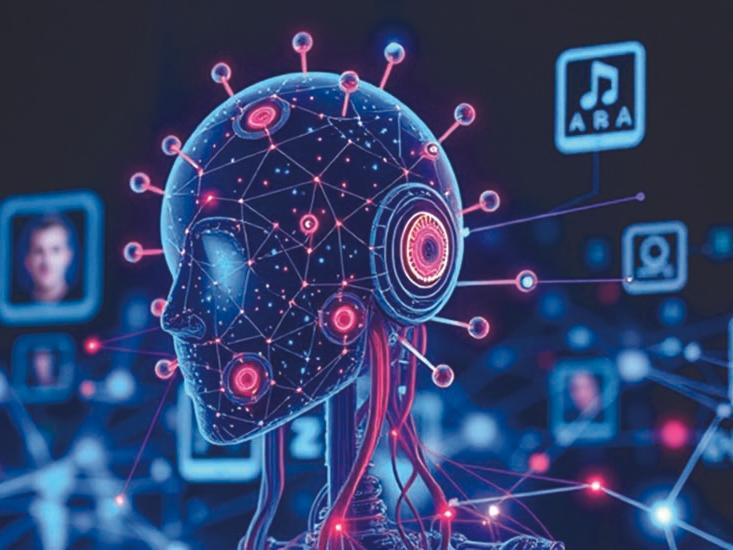
The technology landscape has changed significantly over the last decade. Earlier, digital tools were primarily used for communication, information storage, and basic business operations. Today, technology supports complex activities such as automated decision-making, predictive analysis, remote collaboration, digital payments, and intelligent customer services. These developments have made digital systems more accessible while increasing expectations for speed, convenience, and reliability.
One important characteristic of modern technology is its continuous development. Software applications receive frequent updates, businesses introduce new digital services, and hardware manufacturers work toward creating faster and more efficient devices. For example, smartphones have evolved from simple communication tools into powerful devices capable of handling professional tasks, financial transactions, photography, entertainment, and education. This transformation demonstrates how technological progress can change everyday habits.
Artificial Intelligence Is Transforming Digital Experiences
Artificial intelligence has become one of the most influential technology developments in the current digital environment. AI systems can analyze information, identify patterns, generate content, understand language, and assist with different tasks. These capabilities are changing how businesses operate and how individuals interact with digital platforms.
For example, AI-powered customer support systems can answer common questions, while recommendation engines suggest products, videos, or articles based on user interests. Businesses also use AI to analyze customer behavior, identify operational problems, and improve marketing strategies. In education, intelligent learning applications can help students understand difficult subjects through personalized explanations and practice activities.
Generative AI and Everyday Applications
Generative AI has introduced another important development by allowing software to produce text, images, summaries, presentations, and other forms of content. These tools can support writers, designers, researchers, developers, and business professionals. However, their results still require human review because generated information may contain errors, outdated details, or misleading statements.
The most effective approach is to treat artificial intelligence as an assistant rather than a complete replacement for human judgment. Creativity, experience, critical thinking, and ethical decision-making remain essential. As AI becomes more widely integrated into digital products, understanding its advantages and limitations will become an important skill.
Cloud Computing Is Making Digital Services More Accessible
Cloud computing has changed how individuals and organizations store information, operate applications, and manage digital infrastructure. Instead of depending entirely on physical computers or local storage systems, users can access many services through internet-connected platforms. This approach provides flexibility and makes it easier for teams to work from different locations.
Businesses use cloud technology to store documents, manage databases, host websites, operate applications, and maintain backups. Small companies can access services that previously required expensive infrastructure, allowing them to expand their digital operations without purchasing large amounts of hardware. Cloud platforms also support collaboration because employees can work on shared documents and applications from different devices.
Cybersecurity Is Essential for the Digital Future
As more activities move online, cybersecurity has become a major concern for individuals, businesses, and governments. Digital platforms collect and process information that may include personal details, financial records, customer data, and confidential business documents. Protecting this information is essential for maintaining trust and preventing unauthorized access.
Cyber threats continue to evolve. Phishing messages, malicious software, stolen passwords, identity theft, and fraudulent websites can affect users who do not follow appropriate security practices. Even a small business can experience serious problems if its customer information or internal systems become compromised.
Important Cybersecurity Practices
Individuals and businesses can strengthen their digital security by developing consistent habits. Some particularly useful practices include:
-
Use unique and strong passwords for important accounts.
-
Enable multi-factor authentication wherever available.
-
Avoid opening suspicious attachments or unfamiliar messages.
-
Keep operating systems and applications updated.
-
Back up important information regularly.
Cybersecurity is not a one-time activity. It requires continuous attention because digital threats change alongside technology. As connected services become more common, security awareness will remain an essential part of responsible digital participation.
The Growing Importance of Data and Analytics
Data has become an important resource for modern organizations. Every digital interaction can produce information that helps businesses understand customer preferences, monitor performance, and identify opportunities for improvement. When analyzed correctly, this information can support better planning and more informed decisions.
For example, an online retailer can study purchasing patterns to understand which products are popular during particular seasons. A transportation company can analyze traffic information to improve delivery routes. Healthcare organizations can use appropriate data systems to manage administrative processes and support operational planning while following relevant privacy requirements.
Data analytics also helps businesses evaluate their marketing activities. Instead of relying entirely on assumptions, organizations can examine website visits, customer engagement, conversion rates, and campaign performance. This makes it easier to identify which strategies are producing useful results.
Automation Is Changing the Way Businesses Work
Automation is another major trend influencing the modern digital environment. It allows software and machines to complete repetitive activities with limited manual involvement. Businesses use automation to improve consistency, reduce administrative workloads, and allow employees to concentrate on tasks requiring creativity and problem-solving.
For instance, automated systems can organize customer inquiries, generate invoices, send appointment reminders, update inventory records, and process routine business information. Marketing teams can schedule campaigns, while customer relationship management platforms can organize communication histories and follow-up activities.
Automation is also becoming more sophisticated through its combination with artificial intelligence. Traditional automation generally follows predefined instructions, whereas intelligent systems can analyze information and respond to certain changing conditions. This combination is creating new opportunities across manufacturing, retail, finance, logistics, and professional services.
Emerging Technologies Shaping the Next Digital Era
Several emerging technologies are expected to influence how digital services develop in the coming years. Some are already being used commercially, while others are progressing through research, testing, and early implementation.
The Internet of Things connects physical devices through communication networks, allowing them to exchange information and perform coordinated activities. Smart home equipment, connected vehicles, industrial sensors, and wearable devices are examples of this technology. These systems can improve convenience and provide useful information, although they also introduce privacy and security considerations.
Blockchain technology offers another approach to maintaining shared digital records. It is commonly associated with cryptocurrencies, but its potential applications also include supply chain tracking, digital verification, and certain record-management systems. Its suitability depends on the specific problem being addressed, since blockchain is not automatically better than traditional databases.
Comparison of Major Technology Trends
The following table highlights some important technologies and their practical applications.
| Technology | Main Purpose | Practical Application |
|---|---|---|
| Artificial Intelligence | Intelligent analysis and assistance | Chatbots and recommendations |
| Cloud Computing | Online storage and computing | Business applications |
| Cybersecurity | Digital protection | Secure accounts and networks |
| Data Analytics | Understanding information | Business planning |
| Internet of Things | Connecting physical devices | Smart homes |
| Automation | Reducing repetitive work | Automated workflows |
| Blockchain | Shared digital recordkeeping | Supply chain tracking |
Each technology addresses different requirements. Businesses should evaluate their goals, available resources, and security needs before selecting a particular solution.
How Technology Is Transforming Education and Learning
Digital technology has created new opportunities for students, teachers, and professionals who want to develop their knowledge. Online learning platforms, digital classrooms, educational applications, and interactive study resources have made information more accessible than ever before. Learners can explore subjects at their own pace and access educational materials without always depending on traditional classroom environments.
Artificial intelligence is also influencing educational experiences. Some learning tools can explain complicated topics, provide practice questions, and help students identify areas that require additional attention. Video conferencing and collaboration software allow teachers and students to communicate even when they are located in different places.
However, technology cannot replace the importance of effective teaching, reliable educational content, and independent thinking. Students must learn to evaluate information rather than accepting every digital answer as accurate. Digital literacy, research skills, and responsible technology use are becoming important parts of modern education.
The Role of Technology in Business Growth

Businesses across different industries are investing in digital transformation to improve efficiency and respond to changing customer expectations. Websites, mobile applications, digital payment systems, online customer support, and cloud-based management tools have become important components of modern business operations.
A small business, for example, can use a professional website to introduce its services, publish useful information, and communicate with potential customers. Analytics tools can help measure visitor activity, while customer management software can organize inquiries and follow-ups. These technologies allow smaller organizations to establish a more organized digital presence.
For larger companies, digital transformation may involve integrating multiple systems, automating supply chains, improving cybersecurity, and using predictive analytics. Successful implementation requires more than purchasing new software. Businesses must also train employees, improve processes, and establish measurable objectives.
Digital Responsibility and the Challenges Ahead
Although technology offers many advantages, its rapid growth also creates challenges. Privacy concerns, misinformation, cybersecurity threats, unequal access to digital services, and increasing dependence on automated systems require careful consideration. Innovation should improve people’s lives without creating unnecessary risks or excluding communities from important opportunities.
One major challenge is the digital divide. Not everyone has access to reliable internet connections, modern devices, or the technical skills needed to benefit from online services. Governments, educational institutions, and businesses can help address this issue through affordable connectivity, digital training, and accessible technology design.
Another challenge involves responsible artificial intelligence. AI-generated information can sometimes be inaccurate or misleading, while automated systems may reflect problems present in their training data. Organizations should maintain human oversight, explain important decisions where appropriate, and protect personal information.
What to Expect From the Digital Future
The digital future will likely involve deeper integration between artificial intelligence, cloud computing, connected devices, automation, and advanced communication systems. These technologies will increasingly work together rather than operating as completely separate solutions.
For example, a smart manufacturing facility may use connected sensors to collect information, cloud platforms to store it, and artificial intelligence to identify equipment problems. Automated systems can then help schedule maintenance before a major breakdown occurs. This combination illustrates how different technologies can create greater value when they are integrated effectively.
Personal digital experiences are also expected to become more personalized. Applications may provide recommendations based on individual needs, while intelligent assistants could help users organize information and complete routine tasks. At the same time, security, transparency, and responsible data usage will remain essential for maintaining public confidence.
FAQs
1. What is the importance of understanding modern technology trends?
Understanding modern technology trends helps individuals and businesses recognize new opportunities, improve productivity, and adapt to changing digital environments. It also makes it easier to evaluate emerging tools and understand their practical advantages and limitations.
2. How is artificial intelligence changing everyday life?
Artificial intelligence supports many everyday activities, including online recommendations, voice assistants, customer support, language translation, and content creation. It helps automate certain tasks and provides useful assistance, although human judgment remains important for checking accuracy and making important decisions.
3. Why is cybersecurity important in the digital age?
Cybersecurity protects personal information, business records, financial details, and digital systems from unauthorized access. Strong passwords, multi-factor authentication, regular updates, and security awareness can help reduce common online risks.
4. How does cloud computing benefit small businesses?
Cloud computing allows small businesses to access online storage, software, and computing resources without maintaining extensive physical infrastructure. It supports remote collaboration, flexible operations, and easier access to business information.
5. What role will automation play in the future?
Automation will continue helping organizations manage repetitive activities, improve operational consistency, and reduce manual workloads. Its combination with artificial intelligence may support more adaptive workflows across industries, although human supervision will remain necessary.
6. How can individuals prepare for the digital future?
Individuals can prepare by developing digital literacy, learning about emerging technologies, practicing cybersecurity, and improving their ability to evaluate online information. Continuous learning and adaptability will help people respond to changes in workplaces and everyday digital environments.
Conclusion
Modern technology is transforming the world through continuous innovation in artificial intelligence, cloud computing, cybersecurity, automation, data analytics, and connected devices. These developments are changing how people communicate, learn, work, and manage businesses. Understanding their practical applications allows individuals and organizations to make informed decisions and prepare for future opportunities.
The digital future will bring exciting possibilities, but it will also require responsible adoption, strong security practices, and continuous learning. Technology should be viewed as a tool for solving real problems rather than simply following the latest trends. By exploring subjects such as those discussed through techslassh.com, readers can develop a broader understanding of digital innovation and its growing influence.
Ultimately, successful participation in the digital future depends on balancing innovation with responsibility. People who remain curious, develop relevant skills, and understand both the opportunities and challenges of technology will be better prepared for an increasingly connected world.